


Hey there! If you’ve ever placed a bet on your favorite team or athlete, you’ve probably wondered, “Is sports betting rigged?” You’re not alone. With so much money involved and the stakes so high, it’s natural to question the integrity of the system. Let’s dive into this topic and see what’s really going on behind the scenes. Obtain the Best information about معتبرترین سایت شرط بندی.
Sports betting is a huge industry. We’re talking billions of dollars changing hands every year, and it’s only getting bigger. With its growth, concerns about the fairness and integrity of sports betting have also increased. So, is sports betting truly rigged, or is it just a myth? Let’s explore.
The Origins of the Skepticism
First, let’s talk about why some people think sports betting might be rigged. The idea often stems from a few high-profile scandals that have rocked the sports world over the years. From fixed matches to shady deals, these events have left a lasting impression on the public’s perception of sports betting. The infamous 1919 Black Sox Scandal, where players conspired to throw the World Series, is one such event that lingers in public memory.
Moreover, the media plays a significant role in amplifying these suspicions. Sensational stories about match-fixing or insider betting can create a narrative that suggests widespread corruption, even if these cases are the exception rather than the rule. The more these stories circulate, the more people begin to question the integrity of sports betting as a whole.
Lastly, the anonymity and complexity of the betting process can also contribute to skepticism. Many bettors don’t fully understand how odds are set or how bookmakers operate, leading them to assume that any losses they incur might be due to foul play rather than the natural risk involved in gambling.
The Role of the House
Another reason people suspect foul play is that the house always seems to have the edge. Whether it’s a casino or a betting site, the house typically wins more often than not. But here’s the thing: that’s just how the odds are designed. Bookmakers set odds to ensure they make a profit, not to cheat you out of your money. It’s important to remember that while the house has an edge, it’s not because they’re rigging the system.
The concept of the “house edge” is fundamental to the gambling industry. This edge is built into the odds to ensure that the bookmaker can cover costs and generate a profit over time. It’s similar to how insurance companies operate, where premiums are calculated to cover potential claims while still allowing for profit.
Furthermore, transparency is key to maintaining trust in the system. Reputable bookmakers provide clear explanations of odds and how they are calculated, allowing bettors to make informed decisions. This transparency helps dispel myths about rigging and reinforces the idea that the house’s advantage is a legitimate part of the betting process.
Lastly, the competitive nature of the industry means that bookmakers are incentivized to operate fairly. With so many options available, bettors can easily switch to another provider if they feel they’re being treated unfairly, encouraging bookmakers to maintain integrity and fairness in their operations.
The Influence of Technology
Technology has revolutionized sports betting, bringing both opportunities and challenges. On one hand, technology has made it easier for bookmakers to offer a wide range of betting options and for bettors to access these opportunities from anywhere in the world. This accessibility has contributed to the industry’s growth.
However, technology also poses challenges in terms of maintaining integrity. The anonymity of online betting can sometimes make it difficult to detect fraudulent activity. To combat this, bookmakers use sophisticated algorithms and data analytics to monitor betting patterns and identify any anomalies that might suggest foul play.
In addition, technology has enabled the development of live betting, where odds are updated in real-time as events unfold. While this adds excitement to the betting experience, it also requires bookmakers to be vigilant in ensuring that the odds remain fair and reflective of the event’s dynamics.
How Sports Betting Works

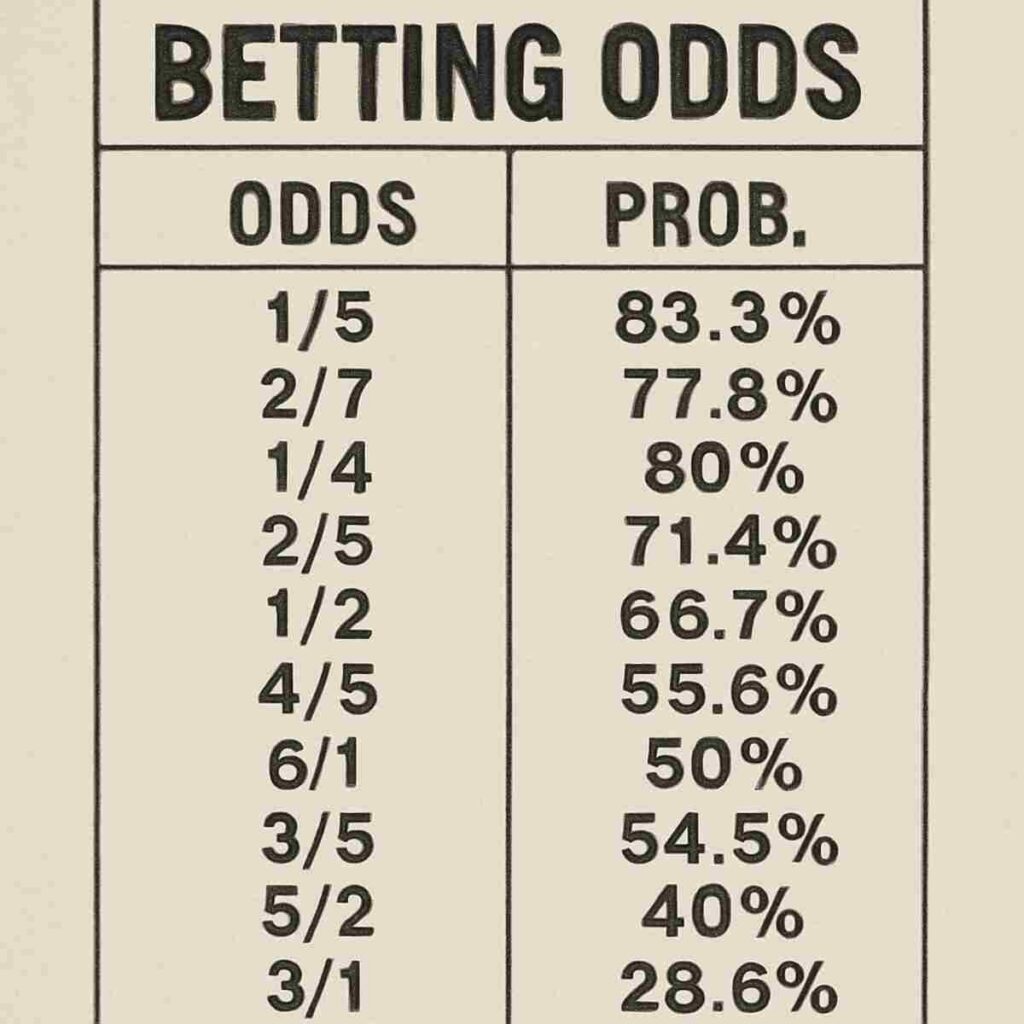
To understand if sports betting is rigged, we need to get a grip on how it works. When you place a bet, you’re essentially predicting the outcome of a sports event. Bookmakers set odds based on the probability of different outcomes. These odds determine how much money you can win if your bet is successful.
The Importance of Odds
Odds are a crucial part of sports betting, and they can vary between bookmakers. This variation is not a sign of rigging, but rather a reflection of each bookmaker’s assessment of the event’s outcome. They use complex algorithms, statistics, and expert opinions to set these odds. So, while it might seem like the odds are stacked against you, they’re really just a calculation of risk.
The odds are not just random numbers; they are carefully calculated probabilities that take into account a wide range of factors. These include the team’s past performance, current form, injuries, weather conditions, and even historical data. By analyzing these elements, bookmakers can estimate the likelihood of each outcome and set odds accordingly.
Moreover, odds can fluctuate as new information becomes available. For example, if a key player is injured before a match, the odds might change to reflect this new development. This dynamic nature of odds is part of what makes sports betting both challenging and exciting for bettors.
Additionally, it’s important to understand that odds are also influenced by the market. Bookmakers adjust odds based on the volume of bets placed on each outcome. If a large number of bets are placed on one side, the bookmaker might adjust the odds to balance their risk and ensure a profit, regardless of the event’s outcome.
The Regulatory Framework
Sports betting is a highly regulated industry. Governments and independent bodies set strict rules to ensure fair play and protect consumers. This regulation includes monitoring betting patterns, investigating suspicious activity, and ensuring bookmakers operate transparently. While no system is perfect, these measures help maintain the integrity of sports betting.
Regulatory bodies play a crucial role in maintaining the integrity of the sports betting industry. They establish licensing requirements that bookmakers must meet to operate legally, ensuring that only reputable and financially stable companies can offer betting services. These licenses often come with strict conditions designed to protect consumers and promote fair play.
Furthermore, these regulatory bodies conduct regular audits and inspections of bookmakers to ensure compliance with industry standards. They have the authority to impose penalties or revoke licenses if a bookmaker is found to be operating unfairly or engaging in fraudulent activities. This oversight helps deter unethical practices and reinforces the integrity of the industry.
In addition to government regulations, many countries have established independent organizations dedicated to monitoring and regulating sports betting. These organizations work closely with bookmakers to identify and address potential issues, such as match-fixing or insider betting, and often collaborate with law enforcement agencies to investigate and prosecute criminal activities.
International Standards and Cooperation
The global nature of sports betting means that international cooperation is essential for maintaining integrity. Many countries have joined forces to create international standards and agreements that govern cross-border betting activities. These agreements facilitate the sharing of information and resources, allowing regulatory bodies to effectively combat fraud and corruption on a global scale.
For example, the International Betting Integrity Association (IBIA) works with betting operators worldwide to monitor and report suspicious betting patterns. By sharing information and collaborating with regulators, sports organizations, and law enforcement, the IBIA helps protect the integrity of sports betting on an international level.
This cooperation extends to data sharing and technological advancements, enabling real-time monitoring of betting activities across multiple jurisdictions. This proactive approach helps identify potential threats early and allows for swift action to mitigate risks, further enhancing the credibility of the sports betting industry.
Real-World Scandals: Fact or Fiction?
Now, let’s take a look at some of the most notorious sports betting scandals. These stories often fuel the belief that sports betting is rigged, but are they the norm or the exception?
Famous Fixes
One of the most famous scandals is the 1919 Black Sox Scandal, where eight Chicago White Sox players were accused of throwing the World Series in exchange for money. More recently, there have been instances of match-fixing in soccer and cricket. While these cases are real, they’re not representative of the entire industry.
The 1919 Black Sox Scandal remains one of the most talked-about events in sports history. It highlighted the vulnerabilities within the system and served as a wake-up call for regulators and sports organizations to implement stricter controls. This scandal, despite its notoriety, was an isolated event and not indicative of a widespread problem.
In soccer, match-fixing scandals have occasionally surfaced, often involving lower-tier leagues or smaller tournaments. These cases typically involve players or officials accepting bribes to influence the outcome of matches. While these incidents are concerning, they are usually detected and addressed swiftly by authorities, thanks to advanced monitoring technologies and international cooperation.
Cricket has also faced its share of match-fixing controversies, particularly in the early 2000s. These scandals led to significant reforms within the sport, including the establishment of anti-corruption units and stricter penalties for those involved in fraudulent activities. Today, cricket authorities are more vigilant than ever, employing advanced data analytics to identify suspicious activities and protect the integrity of the game.
Lessons Learned
These scandals have led to stricter regulations and increased scrutiny of sports betting. Organizations are now more vigilant than ever, and technology plays a significant role in detecting unusual patterns that could indicate foul play.
The lessons learned from past scandals have prompted the sports betting industry to adopt a proactive approach in combating corruption. This includes the implementation of sophisticated monitoring systems that analyze betting patterns in real-time, allowing for the early detection of any anomalies that might suggest match-fixing or insider betting.
Moreover, collaboration between sports organizations, betting companies, and regulatory bodies has been strengthened, facilitating the sharing of information and resources to tackle corruption more effectively. This united front has proven to be an effective deterrent against unethical practices and has helped restore public confidence in the industry.
Education and awareness campaigns have also been crucial in preventing future scandals. By educating athletes, officials, and the public about the risks and consequences of match-fixing, the industry can foster a culture of integrity and transparency. These efforts aim to create an environment where ethical conduct is prioritized, and any attempts at corruption are swiftly identified and addressed.
The Role of Whistleblowers
Whistleblowers have played a pivotal role in uncovering many of the sports betting scandals. By coming forward with information about unethical practices, these individuals have helped expose corruption and hold those responsible accountable. Recognizing the importance of whistleblowers, many organizations have established confidential reporting mechanisms and protection programs to encourage more people to speak out against wrongdoing.
These programs offer anonymity and protection from retaliation, ensuring that whistleblowers can report misconduct without fear of reprisal. By empowering individuals to come forward with information, the industry can identify and address potential threats more effectively, further enhancing its integrity.
Tips for Safe Betting
While the industry works hard to maintain integrity, there are steps you can take to protect yourself and ensure a fair betting experience.
Choose Reputable Bookmakers
Always bet with reputable bookmakers who are licensed and regulated. They are more likely to follow the rules and offer a fair betting experience. Check online reviews and ratings to ensure you’re dealing with a trustworthy company.
When selecting a bookmaker, it’s crucial to verify their licensing and regulatory status. Reputable bookmakers will prominently display their licensing information on their website, allowing you to confirm their legitimacy easily. Additionally, look for accreditation from recognized industry bodies, as this indicates a commitment to maintaining high standards of integrity and fairness.
Online reviews and ratings can provide valuable insights into a bookmaker’s reputation and reliability. Look for feedback from other bettors to gauge their experiences and identify any potential red flags. A trustworthy bookmaker will have a history of positive reviews and a transparent approach to resolving customer concerns.
Lastly, consider the bookmaker’s track record and longevity in the industry. Established bookmakers with a proven history of fair play are more likely to provide a reliable and secure betting experience. By choosing a reputable bookmaker, you can enjoy the excitement of sports betting with confidence and peace of mind.
Be Informed
Knowledge is power. Understanding the sport you’re betting on and keeping up-to-date with the latest news can give you an edge. The more informed you are, the better decisions you’ll make.
Start by researching the teams or athletes involved in the event you’re betting on. Analyze their recent performance, strengths, weaknesses, and any factors that might influence the outcome. This information will help you make more accurate predictions and increase your chances of success.
Stay updated with the latest news and developments in the sports world. Injuries, team changes, and other unforeseen events can significantly impact the outcome of a match. By staying informed, you can adjust your bets accordingly and make more strategic decisions.
Additionally, familiarize yourself with the different types of bets available and understand the odds associated with each. This knowledge will enable you to explore various betting options and identify opportunities that align with your risk tolerance and objectives. By being informed, you can approach sports betting with a strategic mindset and maximize your chances of winning.
Set a Budget
Betting should be fun, not a financial burden. Set a budget for yourself and stick to it. This way, you can enjoy the experience without worrying about losing more than you can afford.
Begin by determining how much money you can comfortably allocate to sports betting without impacting your financial stability. This budget should be an amount that you can afford to lose, as there are no guarantees in gambling. Once you’ve established a budget, commit to sticking to it, regardless of the outcome of your bets.
Consider using a staking plan to manage your bets effectively. A staking plan involves setting a consistent percentage of your budget for each bet, allowing you to manage your risk and avoid significant losses. By using a staking plan, you can maintain control over your betting activities and prevent impulsive decisions driven by emotions.
Lastly, remember that sports betting is a form of entertainment, not a guaranteed source of income. Approach it with a mindset of enjoyment and excitement, rather than focusing solely on financial gains. By setting a budget and adhering to it, you can enjoy the thrill of sports betting while ensuring it remains a responsible and enjoyable pastime.
The Verdict: Is Sports Betting Rigged?
In conclusion, while there have been instances of corruption and scandal, sports betting is not inherently rigged. The industry is heavily regulated, and most bookmakers operate fairly. However, it’s crucial to be informed and cautious when placing bets. By doing so, you can enjoy the excitement of sports betting while minimizing risks.
The industry’s commitment to integrity is evident in the strict regulatory frameworks, advanced monitoring technologies, and international cooperation efforts that have been implemented. These measures help ensure that sports betting remains a fair and transparent activity for all participants.
While no system is foolproof, the vast majority of sports betting activities are conducted fairly and ethically. By choosing reputable bookmakers, staying informed, and betting responsibly, you can minimize your risks and enjoy a rewarding betting experience.
So, the next time you hear someone say sports betting is rigged, you’ll have a better understanding of the complexities involved. Now, go out there and make some informed bets!
Remember, always bet responsibly and have fun!